
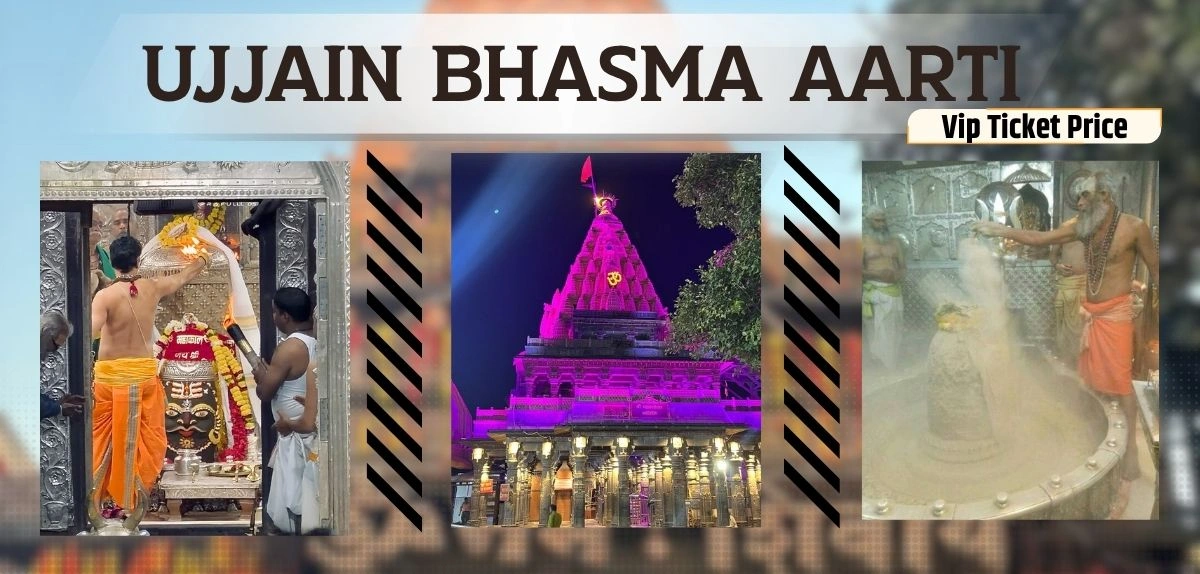
Last Updated: July 20, 2026
So, you want to wake up at 3 AM, stand in the dark, and watch a priest cover a Shivling in ash. And you’re excited about it. Honestly? Same. That’s the magic of Ujjain. If you’re here, you’ve probably typed “Ujjain Bhasma Aarti Vip Ticket Price” into Google about six times today, gotten six different answers, and are now mildly panicked. Don’t worry. I’ve done the digging so you don’t have to squint at ten browser tabs at midnight.
This article breaks down the real Ujjain Bhasma Aarti Vip Ticket Price, how booking actually works, what to wear, when to show up, and the small scams you should laugh off rather than fall for. Grab your chai. Let’s get into it.
Disclaimer: This article is written for general informational purposes based on publicly available data and traveler experiences. Ujjain Bhasma Aarti Vip Ticket Price, timings, and booking procedures are set by the Shri Mahakaleshwar Temple Trust and are subject to change without notice. Please verify all current prices, timings, and booking steps on the official temple website before making any payment or travel plans. This article is not affiliated with the temple administration or any government body.
Ujjain Bhasma Aarti Vip Ticket Price: The Actual Numbers
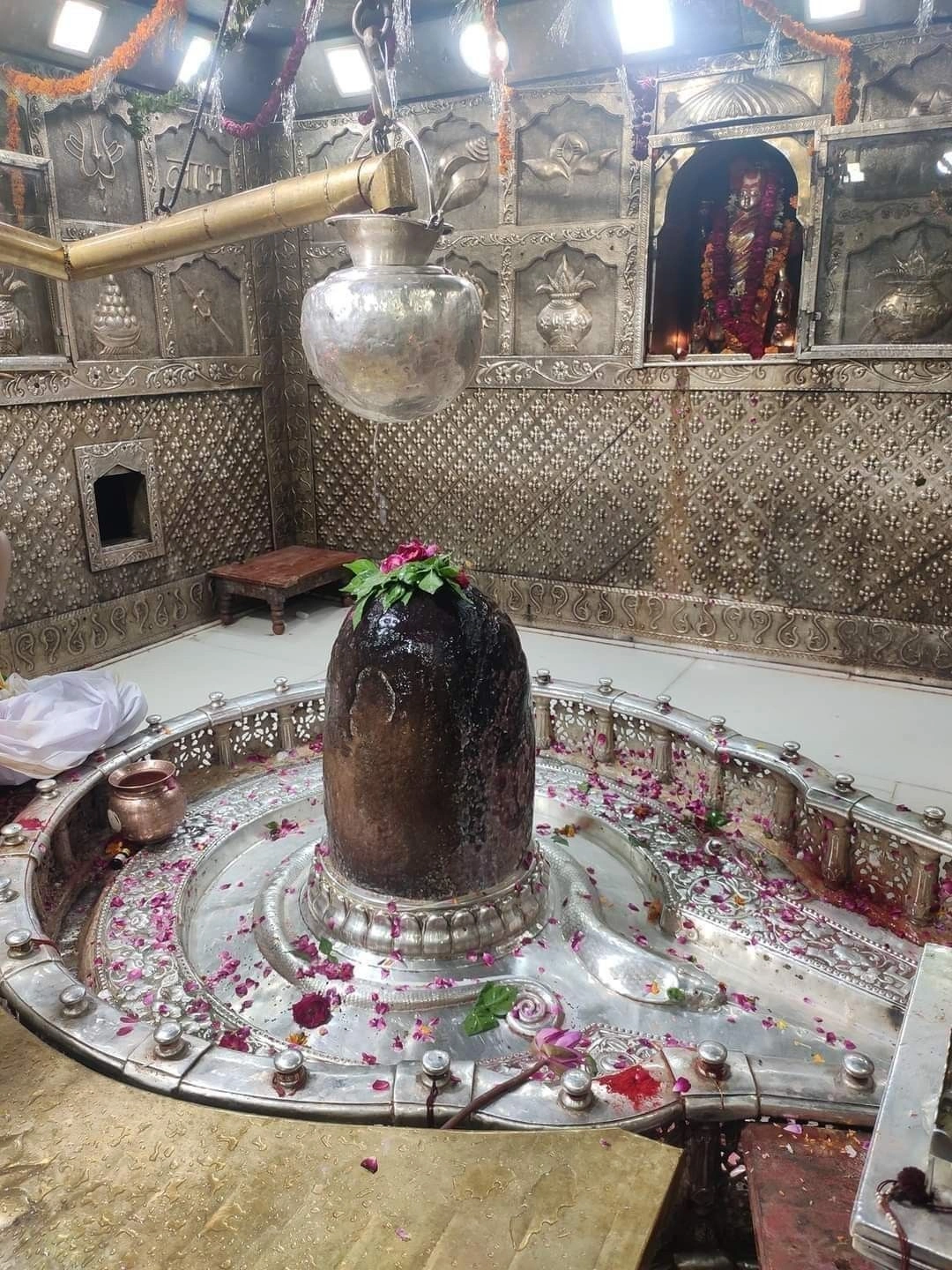
Here’s the part you actually came for. The Ujjain Bhasma Aarti Vip Ticket Price has caused a lot of confusion online, mostly because different websites throw out different figures. Let’s clear the fog.
According to the official temple portal, the standard Ujjain Bhasma Aarti Ticket Price for the VIP category is around ₹200 per person. This gets you a confirmed, seated spot with a proper view of the ritual, instead of standing in the general queue for hours hoping for a glimpse.
Now, a few independent travel sites also mention premium mandapam-based seating (closer rows, like Nandi Mandapam or Karthikeya Mandapam) priced anywhere between ₹1,500 and ₹3,000. These aren’t always consistent across sources, and pricing structures do get revised, especially around festivals like Shravan and Mahashivratri. My honest advice: treat ₹200 as your reliable baseline for the standard Ujjain Bhasma Aarti Vip Ticket, and always cross-check the live price on the official website before paying anyone, anywhere.
| Darshan / Ticket Type | Approx. Price (per person) | What You Get |
|---|---|---|
| Ujjain Bhasma Aarti Vip Ticket (Standard) | ₹200 | Confirmed seat, clear view of the aarti |
| General Queue Darshan | Free | No guaranteed seat, 3–4 hour wait possible |
| Garbh Grah Darshan | ₹750 | Inner sanctum access during the day |
| Shighra (Quick) Darshan | ₹250 | Fast-track entry, skip the long line |
| Premium Mandapam Seating (varies by source) | ₹1,500–₹3,000 | Closer rows, subject to availability |
Prices can shift around festival season, so this table is your starting point, not gospel. Always verify on the official portal before you tap “Pay.”
Why This Experience Is Famous
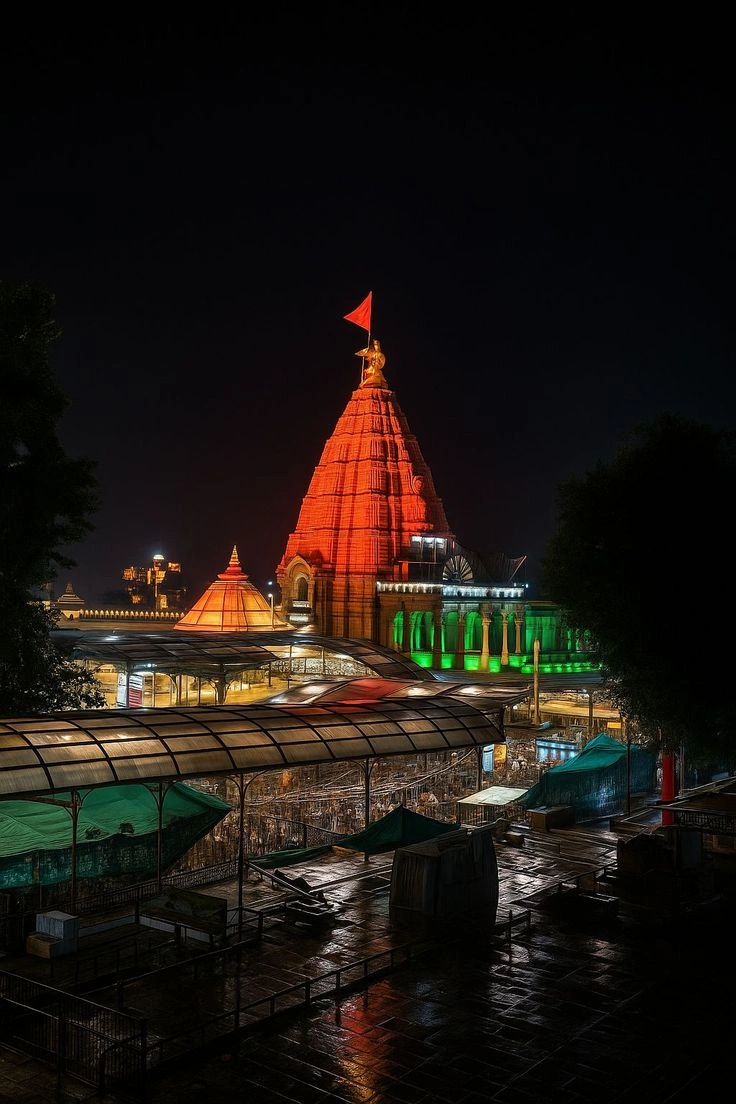
Mahakal — Lord Shiva as worshipped at the Mahakaleshwar Temple in Ujjain — is one of the twelve Jyotirlingas of India, and the only one where the deity is worshipped with Bhasma (sacred ash) rather than the usual flowers, water, or milk. Every single morning, before sunrise, priests perform the Bhasma Aarti, applying holy ash to the Shivling while chanting Vedic mantras in a ritual that’s remained largely unchanged for centuries.
- Location: Mahakaleshwar Temple, Ujjain, Madhya Pradesh, India
- Experience Level: Easy to moderate — no physical difficulty, but requires early waking, patience, and comfort with dense crowds
- Landscape & Atmosphere: An ancient temple complex on the banks of the Shipra River, recently enhanced by the Mahakal Lok corridor — a grand, sculpture-lined pilgrim pathway
- Best Suited For: Devotees, spiritual travelers, cultural tourists, and anyone curious about one of India’s most distinctive religious rituals
Quick Facts Snapshot
| Category | Details |
|---|---|
| Ritual Duration | Approximately 45–60 minutes |
| Ritual Start Time | 4:00 AM (Brahma Muhurat) |
| Gate Arrival Recommended | By 3:00 AM |
| Location | Mahakaleshwar Temple, Ujjain, Madhya Pradesh |
| Nearest City | Indore (approx. 55 km) |
| Distance from Bhopal | Approx. 190 km |
| Distance from Delhi | Approx. 740–790 km (road/rail) |
| Experience Level | Easy, but requires early rising and crowd tolerance |
| Best Time to Visit | October to March |
| Booking Requirement | Mandatory online booking recommended |
| ID Proof Requirement | Yes, Aadhaar or equivalent government ID |
| Mobile Network | Generally available, though phones aren’t allowed inside the sanctum |
| Water Availability | Available at temple premises and nearby stalls |
| Entry Fee (General) | Free (with long queue wait) |
| Ujjain Bhasma Aarti Vip Ticket Price | ₹200 per person (standard); higher mandapam tiers may cost more |
How Ujjain Bhasma Aarti Booking Actually Works
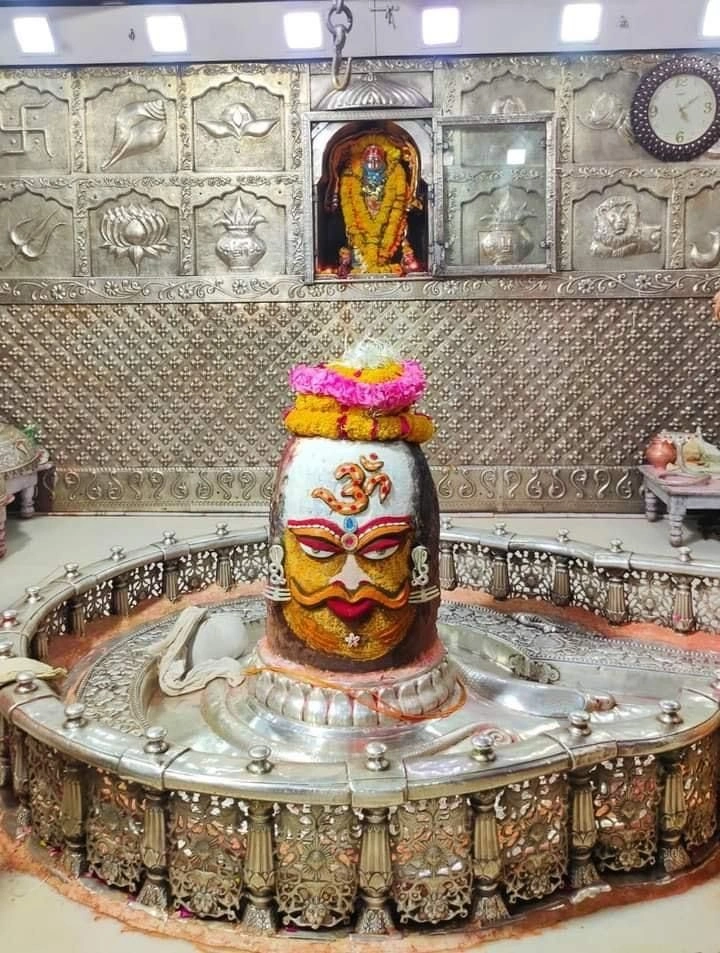
Booking your Ujjain Bhasma Aarti Vip Ticket Booking isn’t rocket science, but it does need a bit of timing and patience. Here’s the drill:
- Head to the official temple website (search “Shri Mahakaleshwar Temple official website” and double-check the URL before entering any card details).
- Look for the Ujjain Bhasma Aarti Online Booking section on the homepage.
- Pick your preferred date. Slots often open a day or a few days in advance, so keep refreshing if your date shows “unavailable.”
- Fill in devotee details exactly as they appear on a valid photo ID (Aadhaar, PAN, or Passport). Mismatched names are the number one reason people get turned away at the gate.
- Upload your ID and pay through UPI, debit card, or net banking.
- Save your e-ticket. Print it if you can, and also keep a phone copy just in case signal drops at 3 AM.
Because seats fill up fast, especially around Mondays, Shravan month, and Mahashivratri, doing your Ujjain Bhasma Aarti Registration a few days ahead is smart. Don’t wait until the night before and hope for the best.
Can First-Timers Do This Comfortably?
Absolutely — and honestly, most people attempting Bhasma Aarti for the first time do just fine, provided they prepare for a few specific challenges. Unlike a physical trek, there’s no fitness requirement here. What you actually need is:
- The discipline to wake up around 2:30–3:00 AM
- Comfort standing or sitting for extended periods in a crowd
- Patience with security checks and queue management
- Willingness to follow a fairly strict dress code
If you’re traveling with elderly family members or young children, the early hour and crowd density are the main things to plan around — not physical exertion. Booking your Ujjain Bhasma Aarti Vip Ticket in advance genuinely removes most of the difficulty, since it guarantees you a seat rather than leaving you to navigate the 3–4 hour general queue.
What to Watch Out For
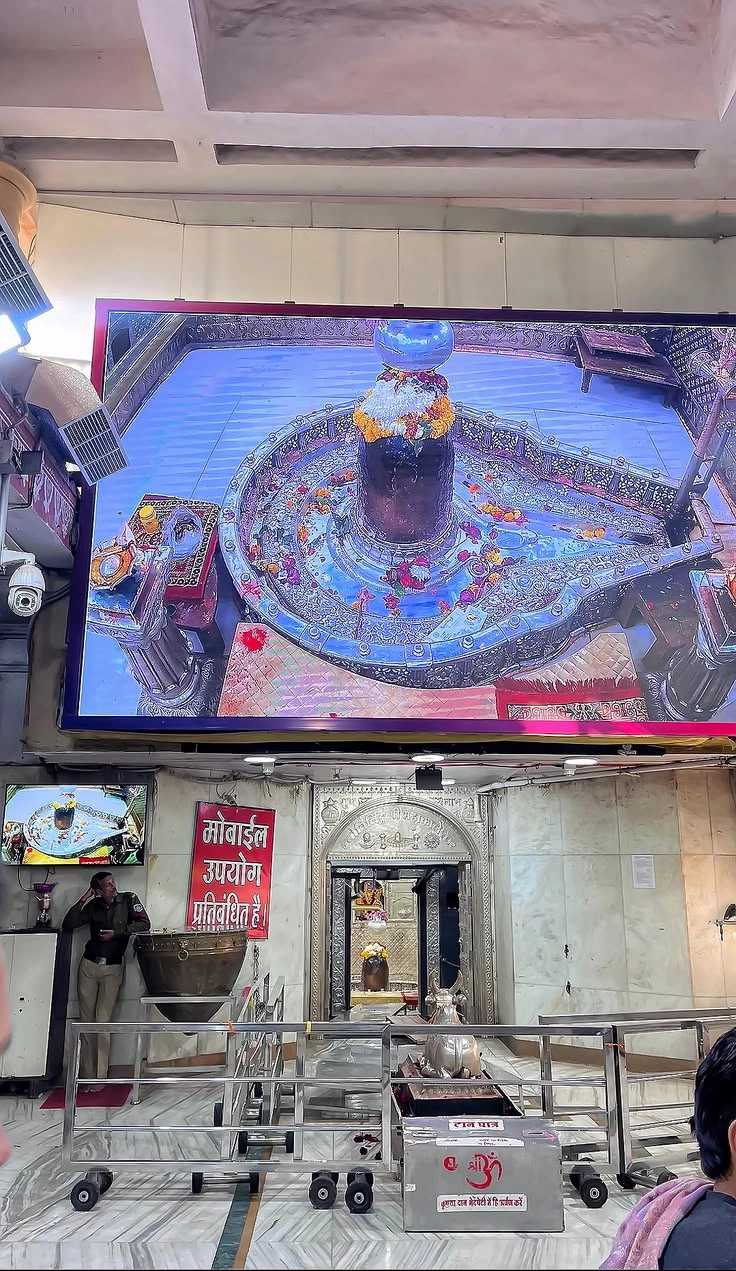
The Bhasma Aarti experience is layered with sensory and spiritual details that first-timers often miss if they’re not paying attention.
- The Shivling itself: The natural rock formation representing Lord Shiva, adorned with the sacred ash during the ritual
- The Mahakal Lok Corridor: A recently developed, sculpture-lined pilgrim pathway leading to the temple, illuminated beautifully in the pre-dawn hours
- The Nandi Mandapam: The premium seating area closest to the sanctum, considered the most coveted vantage point
- Vedic chanting: Priests perform continuous mantra recitation throughout the ritual, creating an atmosphere unlike typical temple visits
- The ash application sequence: Watching priests apply bhasma in stages is genuinely central to why this ritual is so unique among Indian temples
- Photography restrictions: Phones and cameras are not permitted inside the sanctum during the ritual — this is strictly enforced
- Sunrise over the temple complex: If you stay on after the ritual, the temple grounds transform beautifully as the sun rises
Suggested Itinerary (From Indore)
Here’s a practical, realistic itinerary if you’re basing your trip from Indore, the nearest major city.
| Time | Activity |
|---|---|
| 11:00 PM (previous night) | Depart Indore by cab or car (approx. 1–1.5 hour drive) |
| 12:30 AM | Arrive Ujjain, check into hotel or rest area near the temple |
| 2:30 AM | Wake up, get dressed as per temple dress code |
| 3:00 AM | Arrive at temple Gate 4 (VIP/Bhasma Aarti entry) |
| 3:00–3:45 AM | Security check, ID verification, seating allocation |
| 4:00 AM | Bhasma Aarti begins |
| 4:45–5:00 AM | Ritual concludes; general darshan continues |
| 5:00–6:00 AM | Breakfast at a local eatery near the temple |
| 6:00 AM onward | Explore other Ujjain temples (Kal Bhairav, Harsiddhi, Ram Ghat) |
| Afternoon | Depart back to Indore or continue toward Omkareshwar |
Detailed Darshan Process Information
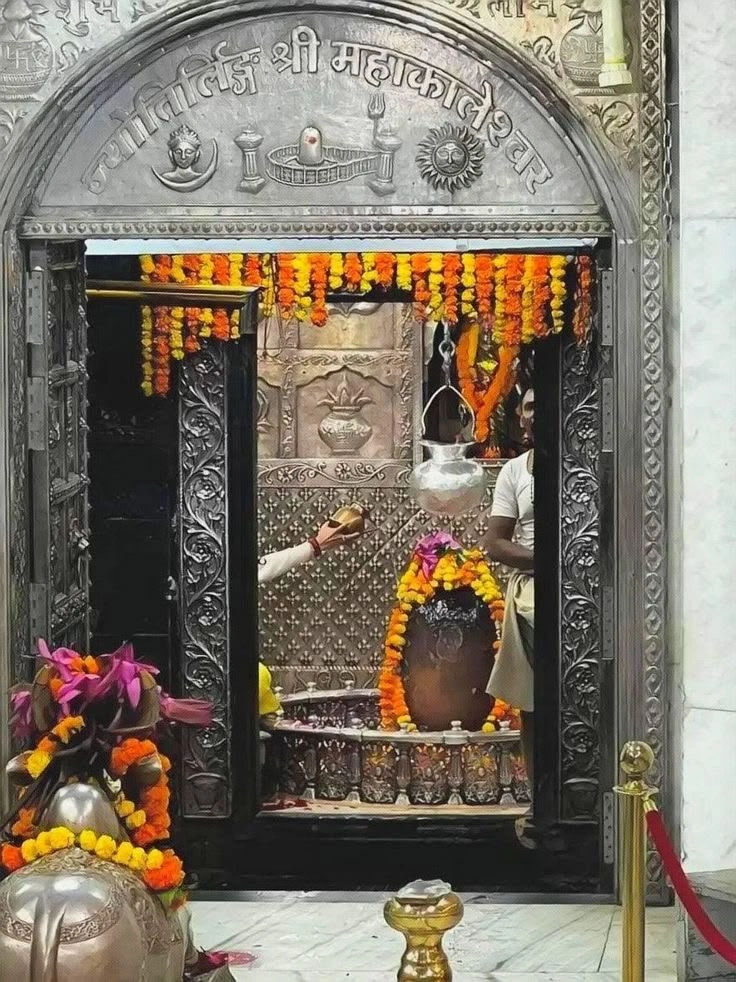
Since this isn’t a physical trail, here’s the actual step-by-step “journey” you’ll go through, broken into stages the way a trek would be broken into sections.
Stage 1: Booking and Preparation
Before you even reach Ujjain, your Ujjain Bhasma Aarti Booking needs to be sorted, ideally 3–4 weeks in advance since slots fill up extremely fast. This is done exclusively through the official temple portal.
- Estimated Time: 10–15 minutes online
- Difficulty: Easy, though the website can get overloaded during peak booking windows
- Watch Out For: Third-party websites and touts falsely claiming to offer faster bookings — always use the official portal only
Stage 2: Arrival and Security Check
Arriving at the temple around 3:00 AM, you’ll pass through multiple security checkpoints before reaching your designated mandapam.
- Estimated Time: 30–45 minutes
- Terrain: Paved pilgrim pathway through the Mahakal Lok corridor
- Landmarks: Illuminated sculptures depicting Shiva’s stories line the corridor
- Challenges: Dense crowd movement, mandatory ID checks, restrictions on carrying phones or bags into the sanctum
Stage 3: Seating and Waiting Period
Once seated in your allocated mandapam, there’s typically a short waiting period before the ritual begins.
- Estimated Time: 15–20 minutes
- Watch Out For: This is a good window to mentally settle in and observe the temple’s pre-ritual atmosphere, since phones can’t be used here anyway
Stage 4: The Ritual Itself
This is the heart of the entire experience.
- Estimated Time: 45–60 minutes
- Experience: Continuous Vedic chanting, ceremonial ash application in stages, temple bells, and a genuinely charged spiritual atmosphere
- Challenges: Standing or sitting for an extended period without phone access; some visitors find the intensity of the crowd and chanting overwhelming at first
Stage 5: Post-Ritual Darshan and Exit
After the Bhasma Aarti concludes, there’s usually a window for a closer, calmer darshan before the general crowd floods in.
- Estimated Time: 15–20 minutes
- Watch Out For: Exit routes can get congested; follow temple staff directions rather than trying to navigate independently
The Bhasma Aarti Experience
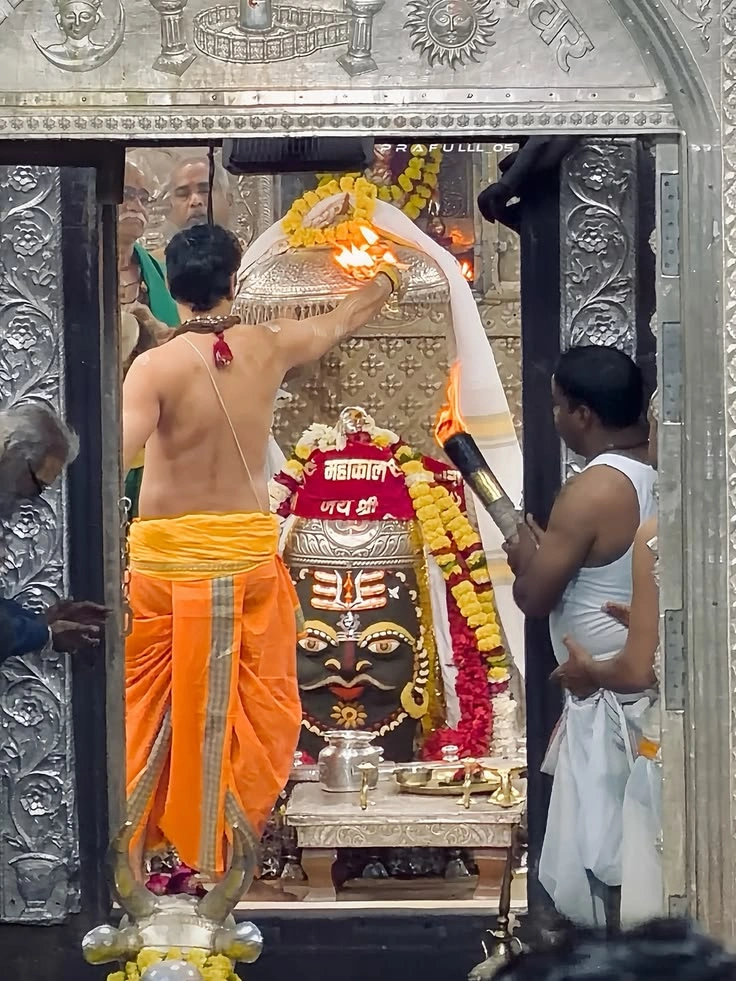
If the ritual is the “summit” of this entire journey, here’s what that peak moment genuinely feels like. The temple sanctum, lit by oil lamps, fills with the sound of conch shells and rhythmic chanting as priests begin the ash application. There’s a specific point in the ritual — when the ash fully covers the Shivling — that devotees consistently describe as the most powerful moment of the entire experience.
- Atmosphere: Intense, reverent, and unlike almost any other Indian temple ritual
- Recommended Time to Spend: Stay through the full ritual (45–60 minutes) rather than leaving early
- Photography: Not permitted inside; savor the moment rather than trying to document it
Best Season
Ujjain Weather varies significantly across the year, and your Bhasma Aarti experience will feel quite different depending on when you visit.
Summer (April–June)
- Ujjain Temperature: Can climb to 40–42°C during the day, though early mornings around 4 AM remain relatively bearable
- Crowd: Moderate, except around Nirjala Ekadashi
- Pros: Fewer tourists than peak season
- Cons: Daytime sightseeing after the aarti can be uncomfortably hot
Monsoon (July–September)
- Weather: Humid with regular rainfall; the Shipra River often swells
- Crowd: Lower, except around Shravan month, which sees a significant spike in devotees
- Pros: Lush, green surroundings around the Shipra ghats
- Cons: Rain can complicate the pre-dawn walk to the temple
Post-Monsoon (October–November)
- Weather: Pleasant, cooling down nicely
- Crowd: Increasing steadily as festival season approaches
- Pros: Comfortable temperatures for early morning queues
- Cons: Diwali and other festivals can spike crowd density
Winter (December–February)
- Weather: Cold mornings, often dropping to 8–12°C around 4 AM
- Crowd: Highest of the year, especially around Mahashivratri
- Pros: Widely considered the best season overall for comfort and temple atmosphere
- Cons: You’ll genuinely need warm layers for the pre-dawn wait
How to Reach
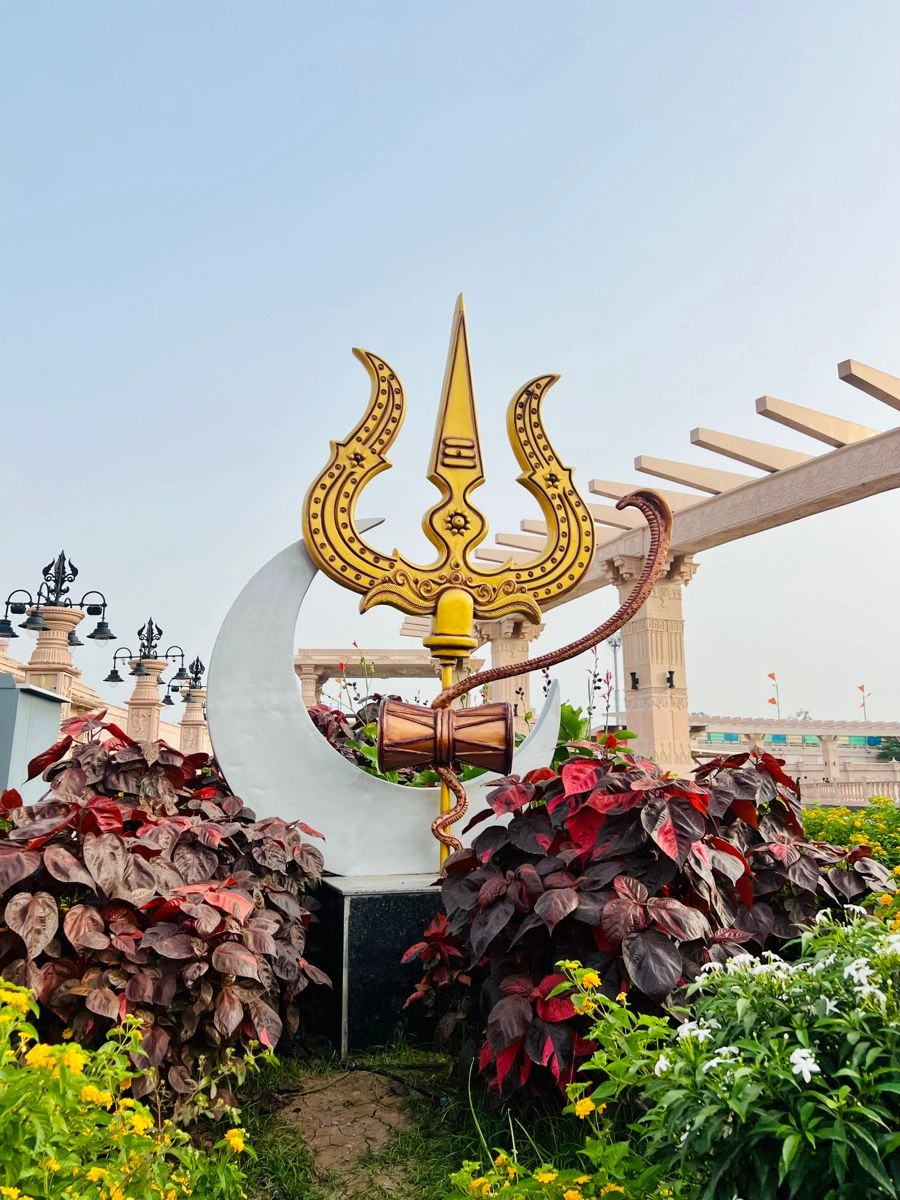
By Car
Ujjain is well-connected by road. The Indore to Ujjain Distance is approximately 55 km, roughly a 1 to 1.5-hour drive on a well-maintained highway. From Bhopal to Ujjain Distance is around 190 km, taking about 3–3.5 hours. Parking near the temple complex is available but fills up quickly during peak hours, so arriving early is genuinely important.
By Bike
A popular option for younger travelers from Indore, given the short, manageable distance. Roads are generally in good condition, though early morning fog in winter months warrants caution.
By Bus
Regular state transport and private buses connect Ujjain with Indore, Bhopal, and other major Madhya Pradesh cities. Overnight buses from Indore are especially convenient for reaching Ujjain in time for a pre-dawn Bhasma Aarti slot.
By Train
Ujjain Junction is well-connected to major Indian cities. The Delhi to Ujjain Train journey covers approximately 740–790 km, taking roughly 10 to 11 hours depending on the specific train. Multiple daily trains operate on this route, making an overnight journey from Delhi genuinely convenient for reaching Ujjain by early morning.
By Flight
There’s no airport directly in Ujjain. The nearest airport is Devi Ahilya Bai Holkar Airport in Indore, roughly 55–65 km away, well-connected to major Indian cities including Delhi, Mumbai, and Bengaluru.
Dress Code
- Men: Dhoti or full-length pants with a shirt; no shorts or jeans
- Women: Saree or salwar suit with full sleeves and a dupatta; no sleeveless or western wear
- Leather items and phones are typically not allowed inside the inner sanctum
Required ID Proof
A valid government-issued photo ID (Aadhaar card is most commonly accepted) is mandatory for every devotee included in the booking.
Things to Carry
Essential
- Booking confirmation printout or downloaded copy
- Government ID proof for every member of your group
- Small cash for local transport and offerings
Clothing
- Dhoti/kurta-pyjama for men, saree or salwar suit for women
- A warm shawl or jacket, especially in winter months
Rain Gear (Monsoon Season)
- Compact umbrella or raincoat
- Waterproof footwear or easy-to-dry sandals
Food & Water
- A light snack for before or after the ritual, since food isn’t allowed inside
- A reusable water bottle for outside the temple premises
Optional Items
- A small notebook if you’d like to journal the experience, since photography inside isn’t permitted
- Comfortable footwear for the walk through the Mahakal Lok corridor
Safety Tips
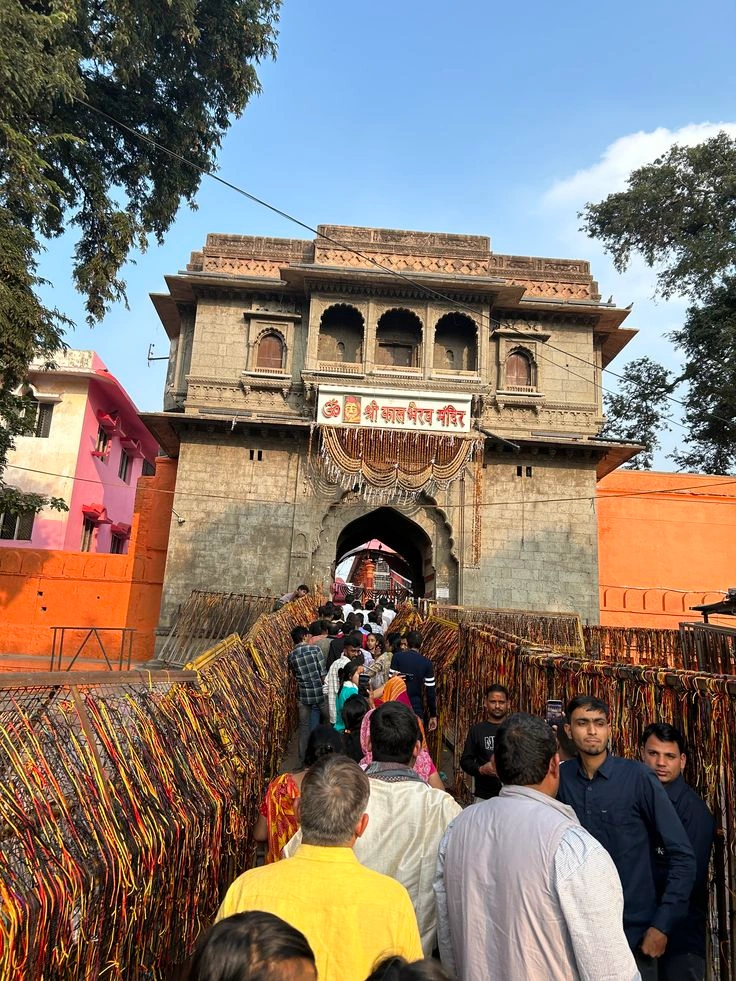
- Crowd Safety: Stick close to your group during entry and exit; dense crowds are the single biggest practical challenge here, not weather or terrain
- Valuables: Avoid carrying expensive jewelry or large amounts of cash; lockers may be available near entry points
- Cold Mornings: Winter pre-dawn temperatures can catch first-timers off guard — dress warmly
- Hydration: Carry water for before and after, since the ritual itself doesn’t allow food or drink inside
- Scam Awareness: Only book through the official temple website; touts near the temple offering “guaranteed VIP access” for cash are almost always scams
- Responsible Visiting: Maintain the sanctity of the ritual — avoid loud conversations, phone use, or disruptive behavior inside the temple premises
Nearby Places to Visit
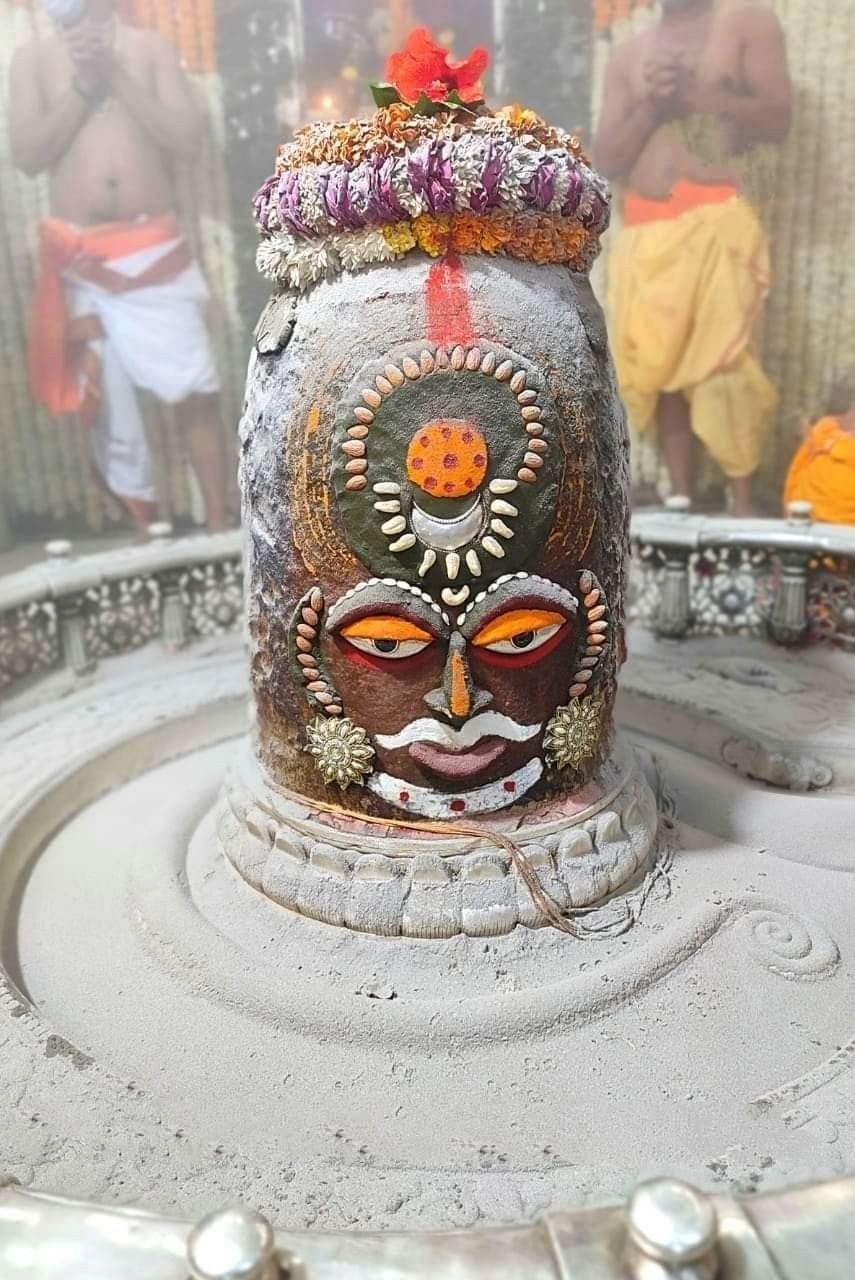
- Kal Bhairav Temple: Roughly 3 km from Mahakaleshwar, known for its unique tradition of offering liquor to the deity
- Harsiddhi Temple: One of the Shakti Peethas, located close to the main temple complex
- Ram Ghat: A serene spot along the Shipra River, especially beautiful at sunrise
- Mahakal Lok Corridor: Worth exploring in daylight as well, for its detailed sculptures and architecture
- Omkareshwar: Another major Jyotirlinga, approximately 140 km away, ideal for a day-trip extension
- Sandipani Ashram: Believed to be where Lord Krishna received his education, a short distance from the main temple
- Local eateries near the temple: Popular for breakfast options like poha and jalebi right after the morning ritual
Conclusion
The Ujjain Bhasma Aarti Vip Ticket Price genuinely buys you access to one of India’s most distinctive spiritual experiences — a pre-dawn ritual unlike anything else in the country’s temple traditions. Whether you’re a devout pilgrim or simply a curious traveler, understanding the booking process, dress code, and practical logistics ahead of time transforms what could be a confusing, crowded experience into something genuinely memorable. Plan ahead, book early, and go in with an open mind — the rest tends to take care of itself.
Thank you so much for reading! We hope this gave you complete, practical clarity on the Ujjain Bhasma Aarti Vip Ticket Price and everything else you need for a smooth visit.
Read More :
- Kedarkantha Trek Height
- Amarnath Trek Distance
- Ayodhya Me Ghumne Ki Jagah
- Banke Bihari Mandir Timing
Frequently Asked Questions
Q1. What is the Ujjain Bhasma Aarti Vip Ticket Price?
The standard VIP ticket is priced at approximately ₹200 per person, though premium mandapam tiers may cost more. Always confirm current pricing on the official temple website.
Q2. Is online booking mandatory for Bhasma Aarti?
While general darshan doesn’t require booking, VIP and Bhasma Aarti seating strongly recommend advance online booking, since seats are limited and fill up quickly.
Q3. What time does the Bhasma Aarti begin?
The ritual begins at 4:00 AM, and devotees are advised to arrive by 3:00 AM for security checks and seating.
Q4. Can beginners or first-time visitors manage this easily?
Yes, there’s no physical difficulty involved — the main requirements are waking up early, patience with crowds, and following the dress code.
Q5. Is there a dress code for Bhasma Aarti?
Yes. Men should wear dhoti or full pants with a shirt; women should wear a saree or salwar suit with full sleeves. Western wear, jeans, and sleeveless clothing aren’t permitted.
Q6. What is the Ujjain to Omkareshwar Distance?
Approximately 140 km by road, taking around 3 to 4 hours depending on the route and traffic.
Q7. What is the Indore to Ujjain Distance?
Roughly 55 km, taking about 1 to 1.5 hours by road.
Q8. Are mobile phones allowed inside during the ritual?
No, phones and cameras are not permitted inside the sanctum during the Bhasma Aarti.
Q9. Is water available near the temple?
Yes, water is available at the temple premises and nearby stalls, though not inside the ritual area itself.
Q10. What is the best season to visit for Bhasma Aarti?
Winter (December to February) is widely considered the most comfortable season, though it’s also the busiest.
You can also visit trysimpledesign for creative website design, development, and digital solutions tailored to businesses and startups.
